Category: Natural Eating
Staying slim
A new study by Pennsylvania State University offers important guidance for staying slim once we achieve an optimal body weight. The new research examined practices used by more than 1100 formerly overweight people to keep weight off after successful dieting. They found that those most likely to stay slim used one or more of four key strategies: 1) a diet rich in low-fat proteins, 2) a consistent exercise program, 3) personal rewards for meeting diet and exercise goals, and 4) regular reminders of the benefits of weight management. Importantly, the new research highlights that these important weight maintenance strategies are different from those most apt to help people during successful transitions to a healthy weight. Learn more about the new research at Keep It Off.
Soda coda
A new study presented at this week’s American Diabetes Association conference casts further suspicion on the health effects of diet sodas. The study, conducted by researchers at the University of Texas, tracked the diet soda consumption of almost 500 adults over nearly ten years. It found that regular diet soda consumption was closely linked with increased waistlines and weight gain. A related study reported at the conference found that lab mice fed aspartame, a common diet soda sweetener, had significantly elevated blood glucose levels – suggesting a possible causal link for the Texas study results. Both studies come on the heels of recent findings linking diet soda with higher stroke and heart attack risk, and increased cravings for sweets. Learn more about the new study and find links to the earlier research at Diet Soda & Weight Gain, all suggesting it may be time for a diet soda coda.
Diet matters
If you think you can out-exercise a bad diet, think again. A new study of lifestyle interventions for adult-onset diabetes suggests that diet is far more important than exercise in mitigating this growing chronic health problem. The new study, published this past week in the Lancet, followed almost 600 patients diagnosed with Type-2 diabetes. It found that dietary changes produced the largest physiological improvements across the treatment regimens studied. While adding exercise did not improve diabetes treatment, the lead researcher emphasized that “individuals who exercise have reduced rates of cancer, reduced mortality, and other benefits from exercising, such as enhanced sense of well being…but dietary change should be the focus of your lifestyle intervention” when seeking diabetes control. Learn more about the new study at Diabetes Treatment Study.

Fatal fries
An interesting but perhaps not surprising new study by Harvard Medical School has found that fried potatoes are the most fatal food, if your goal is to maintain a healthy adult body weight over time. The new and quite large longitudinal study looked at daily food consumption across more than 100,000 women and men over twenty years, permitting new weight-gain calculations for various foods. As should be clear to everyone by now, unnatural insulin and hunger-inspiring carbohydrate foods dominate the list of the most weight-advancing things to eat. French fries finished first, closely followed by potato chips, with sweetened beverages and other starches and refined carbohydrates such as white bread, white rice, low-fiber breakfast cereal, candy, and desserts in close pursuit. Importantly, also near the top of weight-advancing foods are red meats, which are limited to 25% of protein intake on the HumanaNatura natural diet plan. Learn more about the new study and see how your foods of choice rank at Long Term Weight Gain.

Rehydrate now
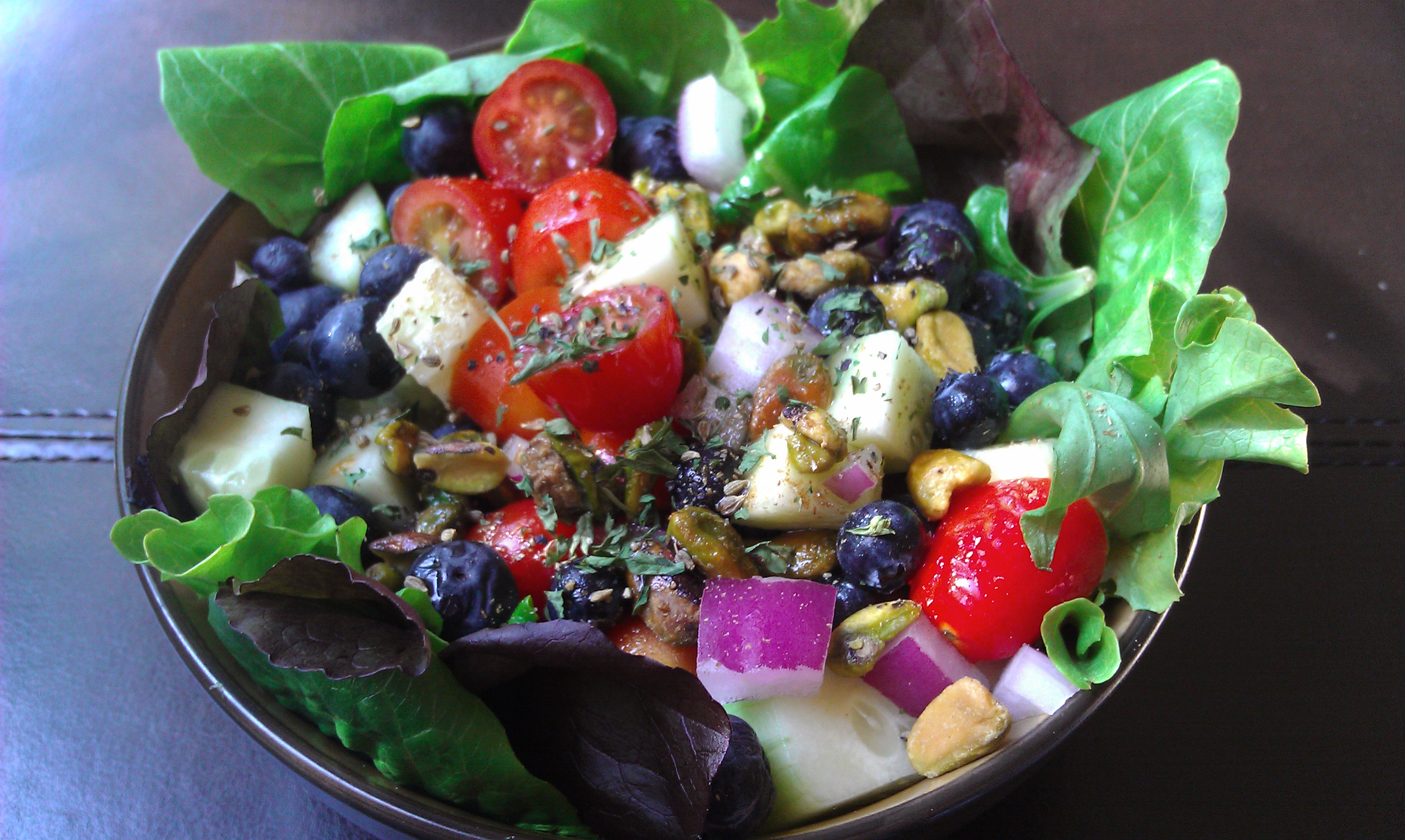
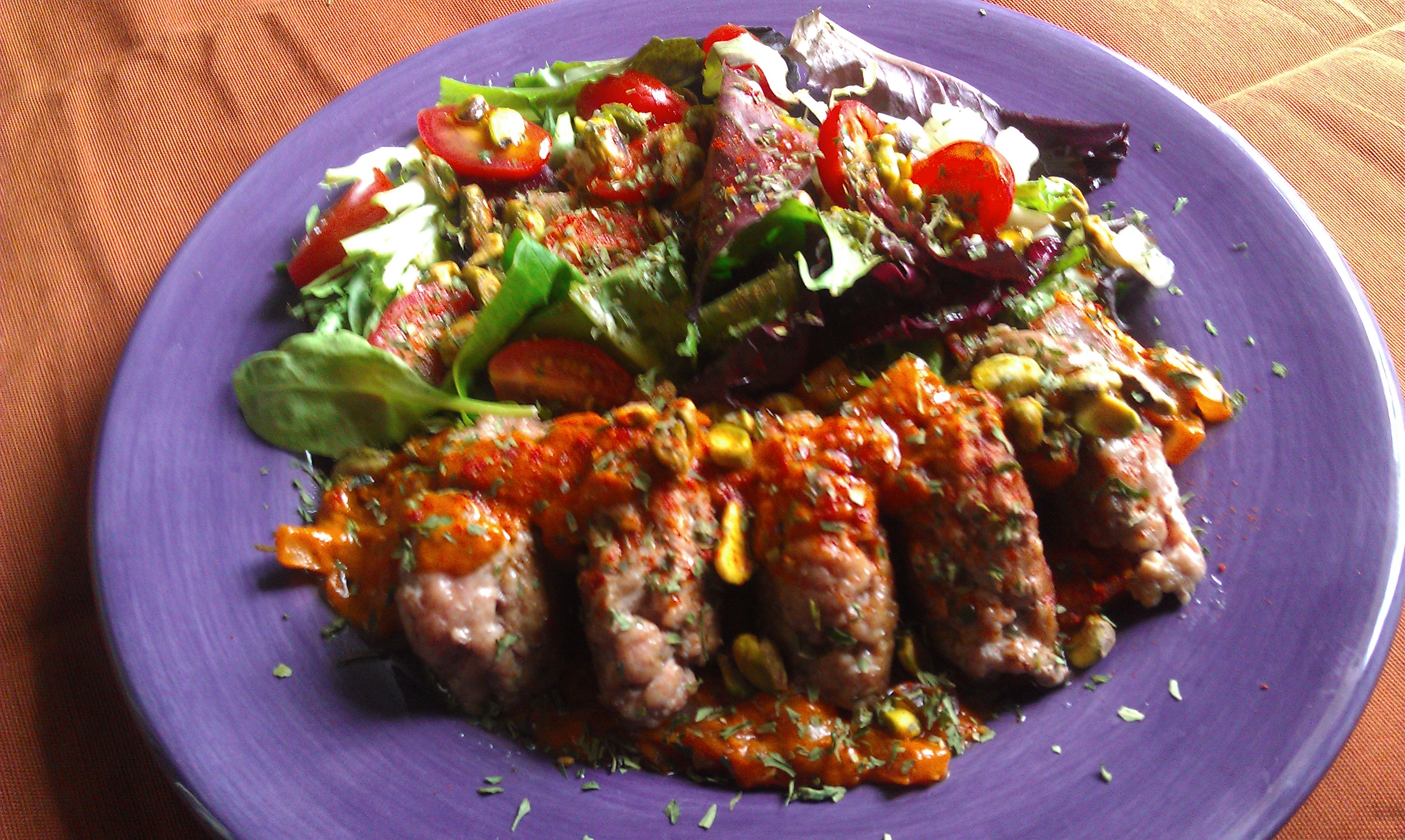
Whether you’ve been on an alpine trail and dried food for several days or are just feeling the need to perk up your body, delicious natural rehydration is always minutes away. This water and vitamin-rich salad mixes diced cucumber, cut grape tomatoes, blueberries, a bit of chopped red onion, and a few pistachios…served on a bed of greens and seasoned with parsley, coriander, black pepper, and anise…
Fat fake
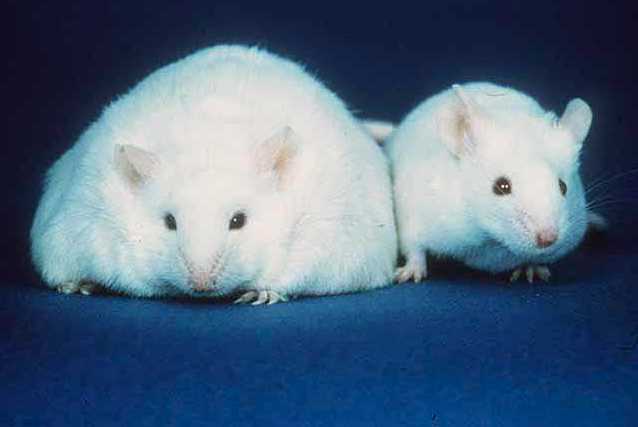
Though people using the HumanaNatura natural system should not use or need foods with artificial fats, we thought we should publish info on a new study, suggesting a fake fat fake-out. In the new study, researchers at Purdue University fed a group of lab mice a diet with potato chips containing the artificial fat Olean as part of a high-fat diet alternative. They found these mice ate more overall and gained more weight than mice who were fed a similar diet that included full-fat potato chips. The researchers speculate that the mice in the experimental group continue to crave and eat added calories, and also have their metabolism altered to favor weight gain, when using the artificial fat. Learn more about the study at Fake Fat May Make Fat.
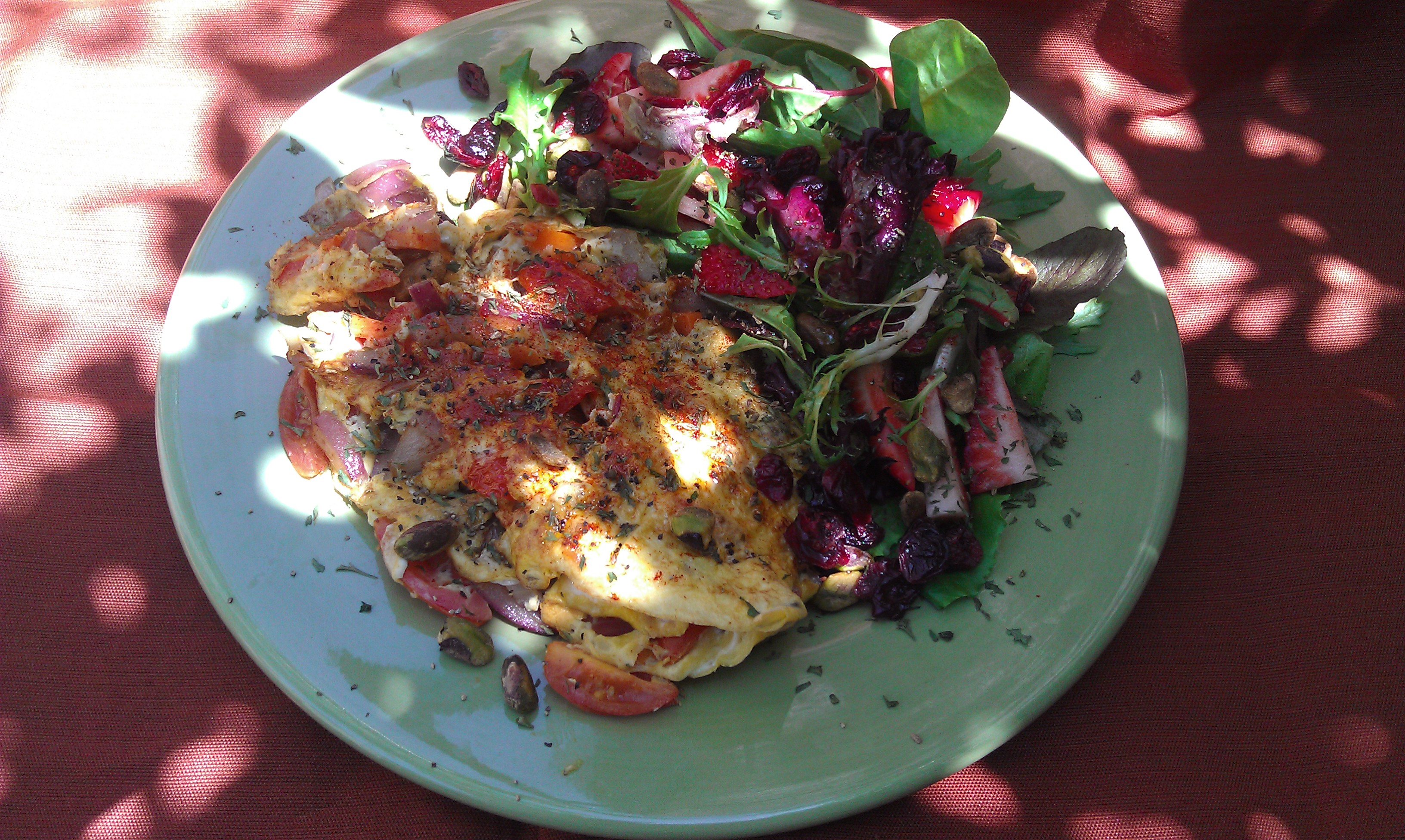
Brunch bliss
Olive life
A new study by the Université Bordeaux has concluded that high olive oil consumption – in cooking and salad dressings – is strongly correlated with a reduced risk of stroke. The latest findings align with earlier research showing similar olive oil benefits in reducing diabetes, hypertension, lipid profile, coronary artery disease, and obesity risks. Together, these extended findings suggest that olive oil plays an important role in the superior general health outcomes of the Mediterranean basin. The new study of more than 7500 people aged 65 and older adjusted results for other dietary and lifestyle differences, and found a nearly 75 percent reduction in stroke risk between high and low olive oil users. Learn more about the new study at Olive Oil & Stroke Prevention.
Stalling longevity
A new analysis published in the journal Population Health Metrics suggests that U.S. longevity progress has begun to stall. The researchers conclude that a decline in longevity is now occurring in absolute terms among women living primarily in southern states and representing almost 25% of the nation’s counties. They also caution that overall U.S. longevity is now broadly slipping relative to other industrialized countries and many industrializing ones, with the U.S. projected to be ranked 37th in the world for men and women based on the new analysis. Though high income inequality in the U.S. is predicted by some research to reduce health and limit progress on longevity, the new results are still startling given that the U.S. has the highest levels of health spending per capita in the world. Less surprisingly, the negative and trailing longevity trends are attributed by the researchers to increased smoking and high blood pressure among women, and to rapidly accelerating obesity overall. All are health risks that have proven resistant to traditional medical and public health efforts. Learn more about the new findings at U.S. Life Expectancy Slips or read the full report at Falling Behind.