Category: Natural Eating
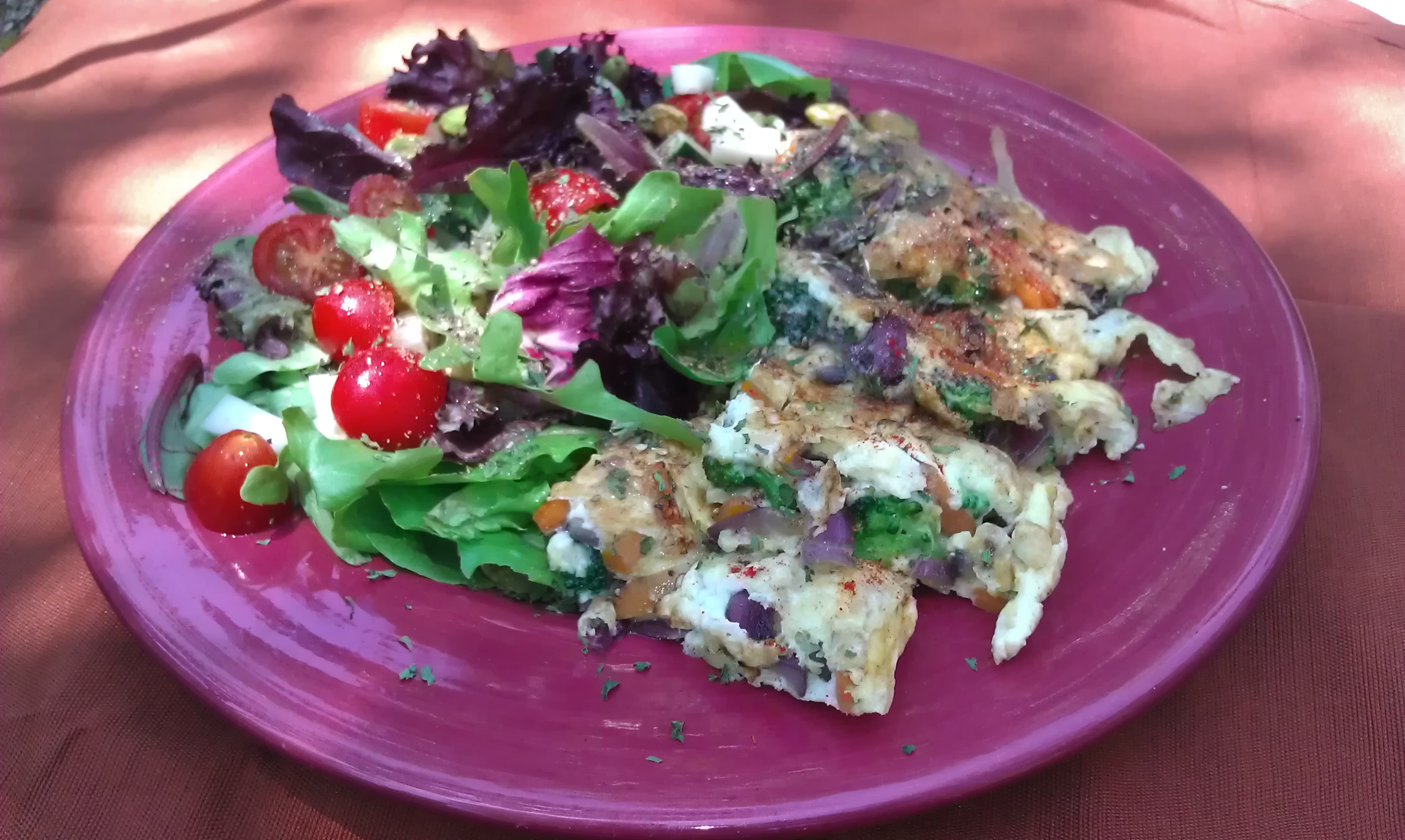
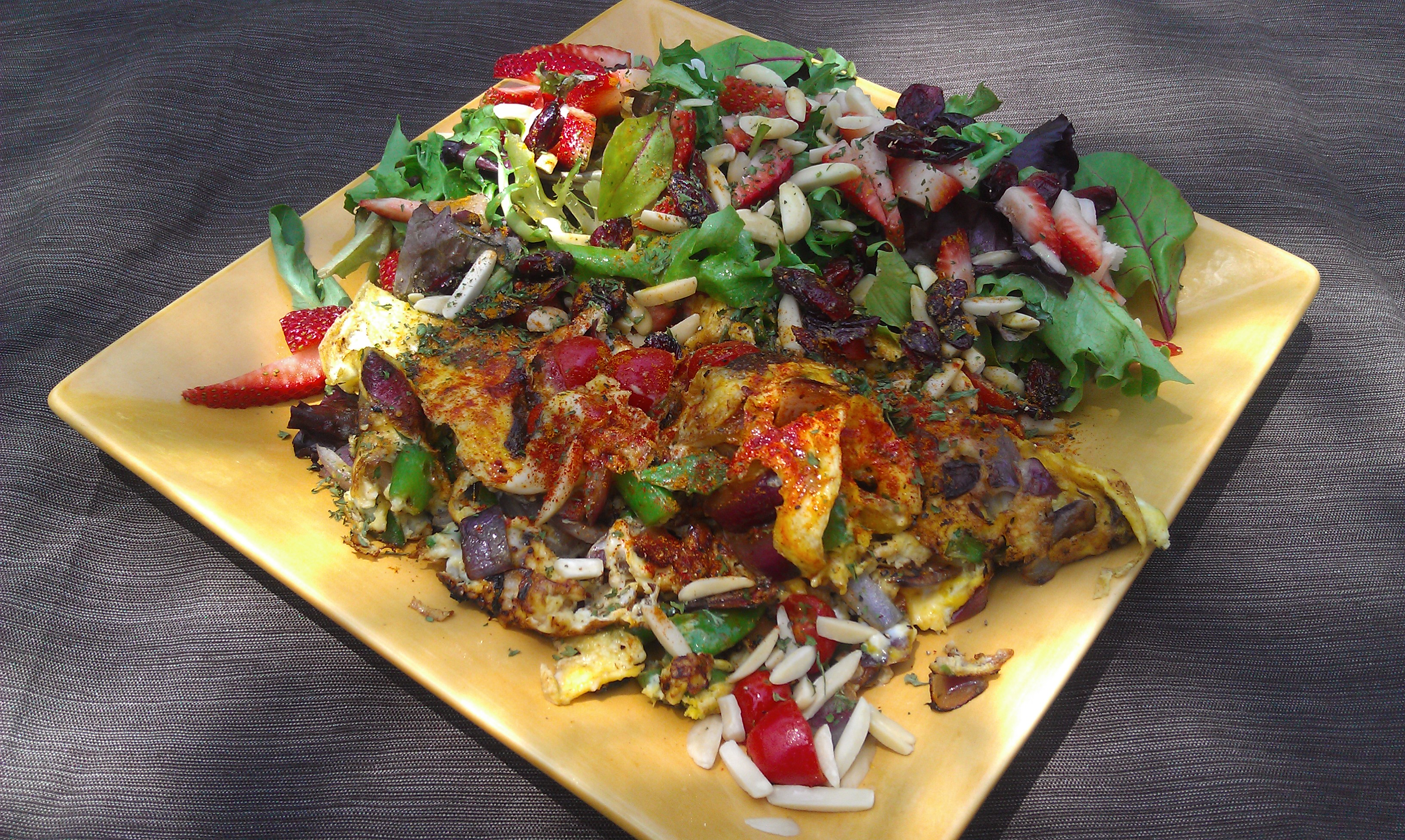
Veggies al fresco
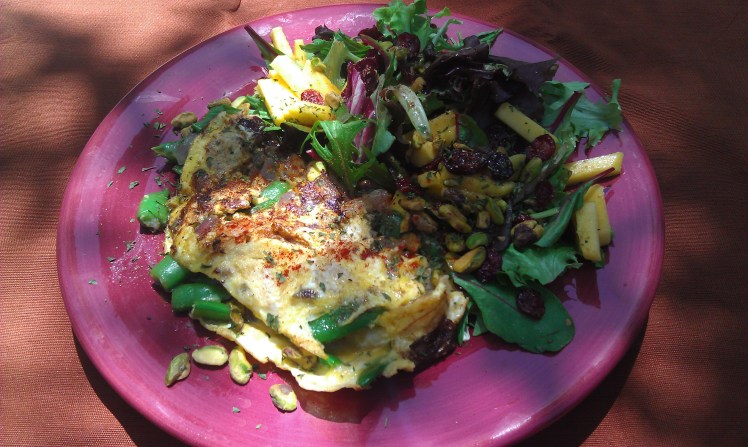
Misty delight
Diets ranked
A new comparison of popular diet plans has just been released by U.S. News & World Report. The plans were evaluated by a panel of experts, whose conclusions reasonably reflect our current scientific understanding of optimal human nutrition – including some gaps and open hypotheses that scientists have yet to resolve. Without singling out specific plans here, the panel concluded that programs emphasizing high vegetable and fruit consumption, moderation of processed carbohydrates and fats generally, and consistent interpersonal support during plan adoption were the most effective (in categories that included short and long-term weight optimization, cardiovascular health, and diabetes prevention). Notably, natural diets like HumanaNatura’s that follow these guidelines but further limit cooked grains, starches, and legumes were ranked lower due to the current lack of adequate long-term data on this approach. On the other hand, diets that recommend greatly limited carbohydrate consumption and calorie replacement via extra protein and fat intake were ranked lowest, based on growing data suggesting both long-term cardiovascular injury and weight instability from this approach. Learn more about the rankings at Diets Ranked or see a full summary of the panel’s conclusions at Best Diets.
Curry up
Med-itocracy
The United States is about to move forward to make its high-cost medical system more transparent and efficient, and perhaps more focused on health outcomes and cost avoidance. The change comes from outside the system, driven by database technology and reformers seeking to shine light on how health care dollars are spent. The new measures will allow physician and hospital level analysis of outcome and cost performance, and should eventually transform the way this long poorly-accountable and intransigent system operates. Learn more about the new data transparency measures, with applicability for all nations today, at Medical Care Data Release.
Alternative Of Living Meat
Imagine having healthy meat protein in your diet, sustainably and without harm to animals. Based on current trends in the development of in vitro, synthetic, or living meat from animal stem cells, this should be a possibility for us within the next decade. Though the technology will take time to perfect and become accepted, it promises to allow a natural human diet without slaughterhouses or factory farms. It also promises food production with much lower resource inputs and environmental harm, including a lower overall carbon footprint. If you would like the benefits of a natural diet but avoid meat for ethical or ecological reasons today, this development promises new options for you in the future. Learn more about emerging “living meat” technology at Cultured Meat and In Vitro Meat.
Pork redux
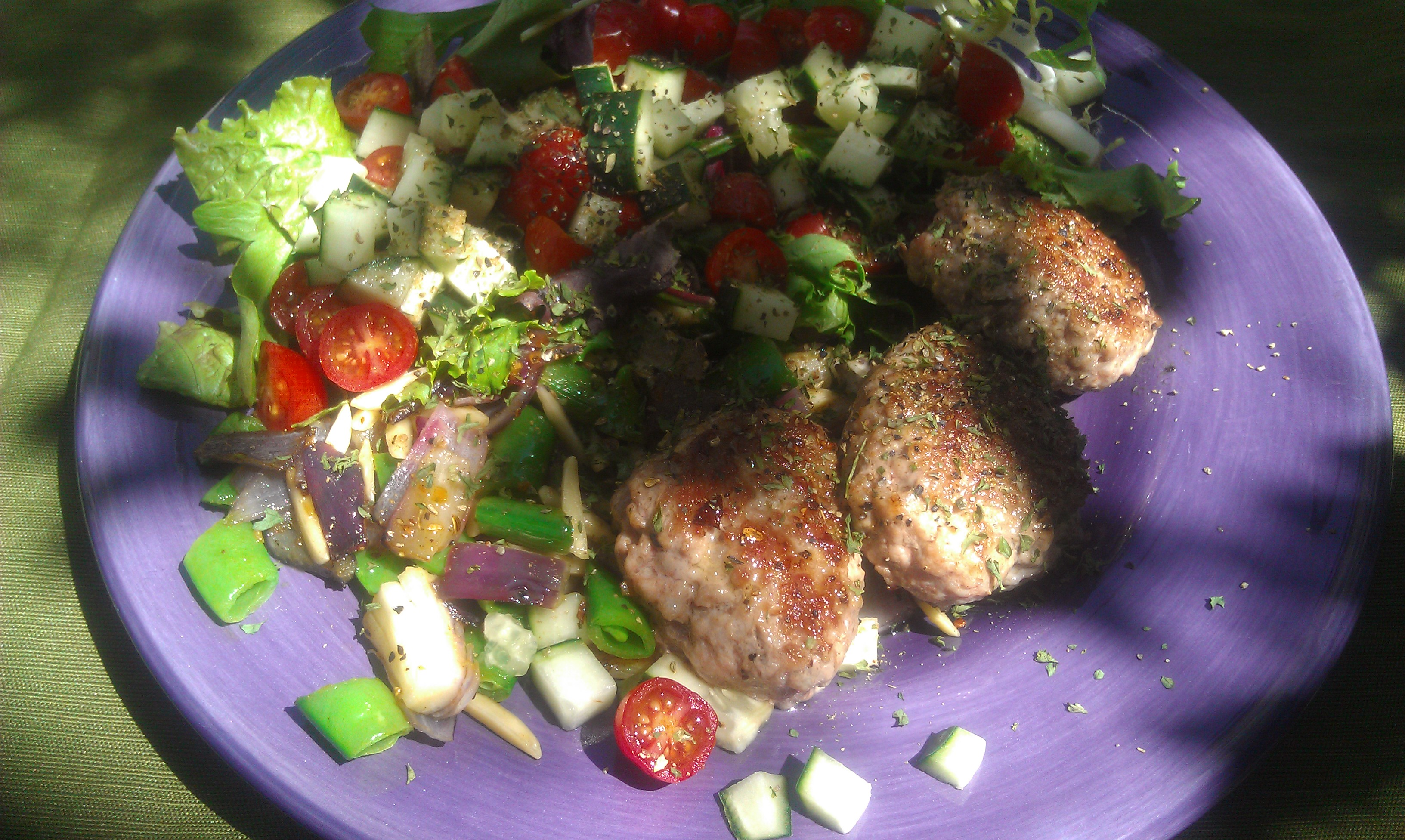
With new U.S. guidelines allowing gentler cooking of pork, we mark the change with a meal of grilled ground pork over a melange of sautéed red onion, pea pods, and slivered almonds, along with mixed greens, grape tomatoes, and diced cucumber…garnished with parsley, marjoram, coriander, black pepper, and just a bit of anise. Learn more about the new guidelines at Pork Cooking Guidelines.