Stalling longevity

A new analysis published in the journal Population Health Metrics suggests that U.S. longevity progress has begun to stall. The researchers conclude that a decline in longevity is now occurring in absolute terms among women living primarily in southern states and representing almost 25% of the nation’s counties. They also caution that overall U.S. longevity is now broadly slipping relative to other industrialized countries and many industrializing ones, with the U.S. projected to be ranked 37th in the world for men and women based on the new analysis. Though high income inequality in the U.S. is predicted by some research to reduce health and limit progress on longevity, the new results are still startling given that the U.S. has the highest levels of health spending per capita in the world. Less surprisingly, the negative and trailing longevity trends are attributed by the researchers to increased smoking and high blood pressure among women, and to rapidly accelerating obesity overall. All are health risks that have proven resistant to traditional medical and public health efforts. Learn more about the new findings at U.S. Life Expectancy Slips or read the full report at Falling Behind.

Med-itocracy

The United States is about to move forward to make its high-cost medical system more transparent and efficient, and perhaps more focused on health outcomes and cost avoidance. The change comes from outside the system, driven by database technology and reformers seeking to shine light on how health care dollars are spent. The new measures will allow physician and hospital level analysis of outcome and cost performance, and should eventually transform the way this long poorly-accountable and intransigent system operates. Learn more about the new data transparency measures, with applicability for all nations today, at Medical Care Data Release.

Falling water

Feeling stressed, caught up in events but strangely not part of them? Find a quiet place and visualize falling water, forceful and uplifting even as it naturally and calmly descends – creating space to consider life with fresh eyes. If you can, plan a walk to the nearest waterfall or a special natural setting near you. When you arrive, find a comfortable spot and do nothing else for a while. Sit, exhale, stop, listen to the world outside you…

Less is more

We ascend into nature and are made smaller – only a part of the world and not a world ourselves – even as we are enlarged and overflow from our journeying…

Evening hikes

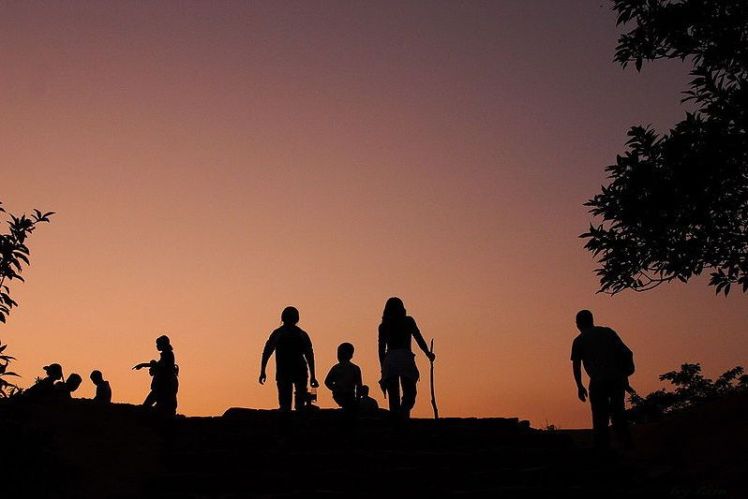
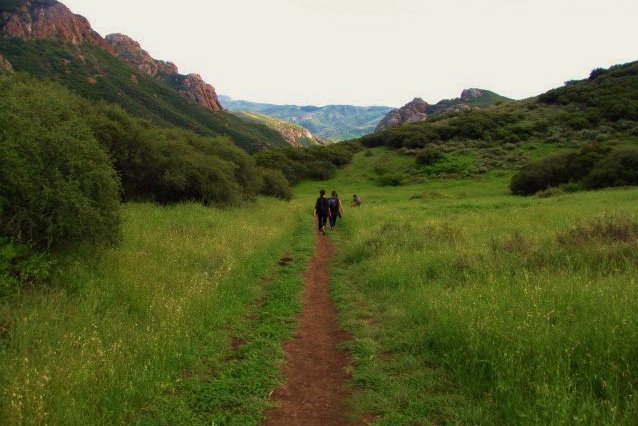
With the full moon coming, each passing day is an opportunity for evening walks and moonlit hikes. Beginning perhaps after an early supper, time outdoors right now offers the refreshing light of late afternoon, a chance for dramatic sunset views, and the opportunity of the rising full moon. Daily walking and time in nature are key elements of the HumanaNatura Personal Health Program. We would  encourage you to learn more about this program and to find your own personal path between the natural and human worlds.

New HN look

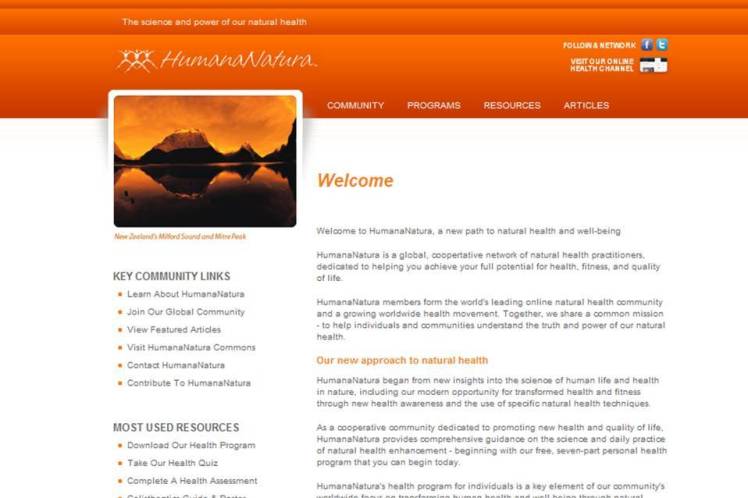
A new look for the HumanaNatura website is here, designed to better integrate it with our blog and social media pages. In about two weeks, updated personal and community health programs will join the new design. In the meantime, check out the new site at HumanaNatura.

Vitamin D again

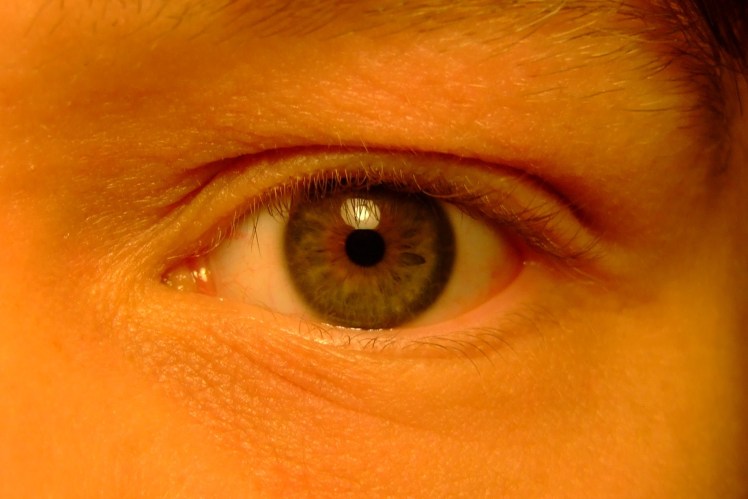
Vitamin D is back in the news today. This time, it’s for helping to prevent macular degeneration, the leading cause of vision loss in later life. These latest findings, based on research led by New York University, add to the rapidly growing body of evidence suggesting that extra amounts of this vitamin – naturally obtained principally through sun exposure – may be needed by many of us to ensure optimal health. Other studies have highlighted the importance of vitamin D in a number of critical health areas, including bone health, weight management, immune functioning, brain health, and even cancer and multiple sclerosis prevention. Learn about the new research at Vitamin D & Eye Health.

Regularizing exercise

A new meta-analysis of 14 previous heart health studies, led by researchers at Tufts University, underscores the importance of regular exercise to ensure heart health. The analysis made new headlines this week for its findings that intense exercise or physical activity, including sex, increased the risk of heart attack and sudden death in people with inactive lifestyles by as much as 350 percent, compared with people who exercise regularly. Read more about the new findings at Regular Exercise.