New HN look

A new look for the HumanaNatura website is here, designed to better integrate it with our blog and social media pages. In about two weeks, updated personal and community health programs will join the new design. In the meantime, check out the new site at HumanaNatura.

Natural Sitting

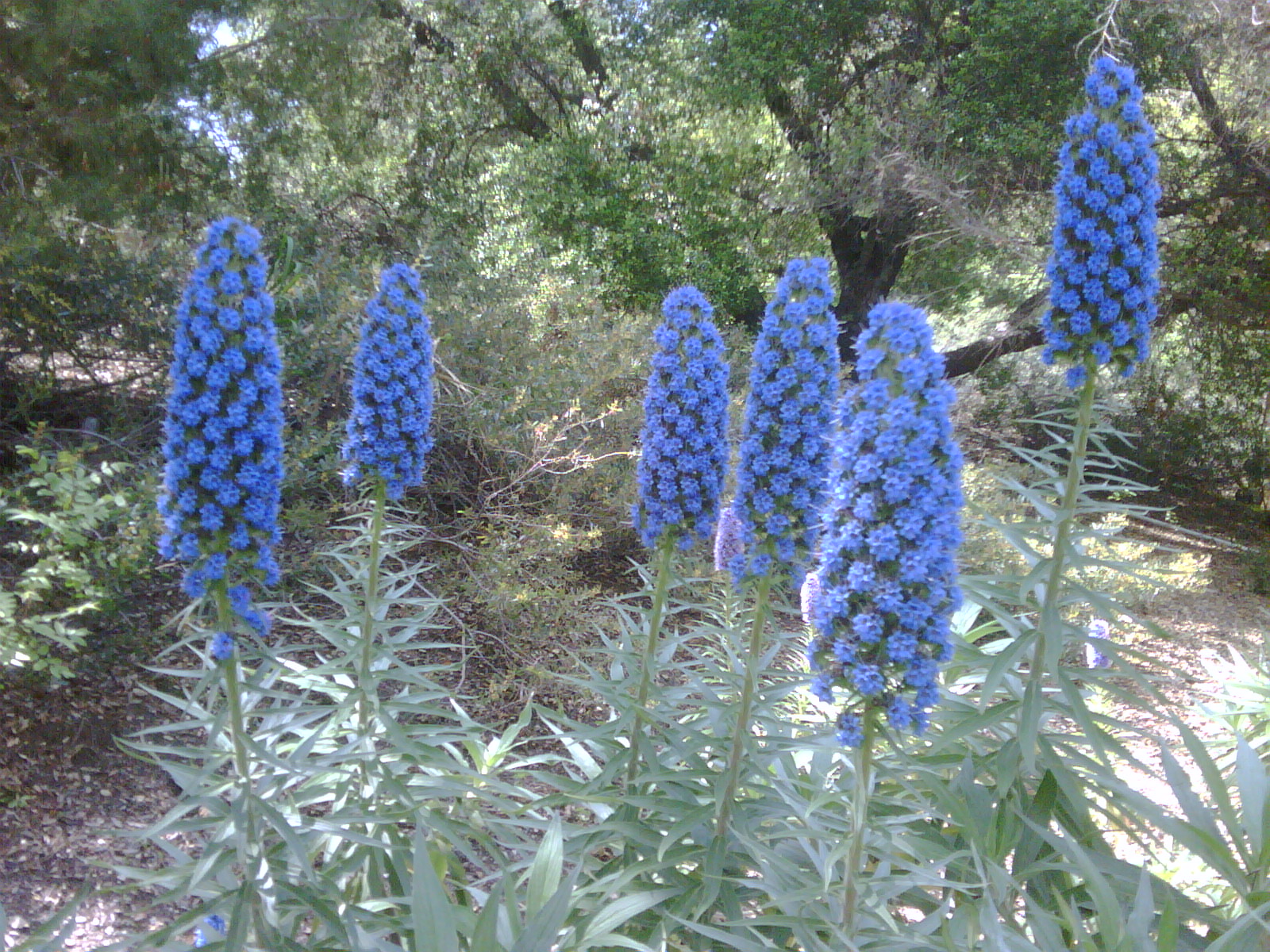
Luxuriant flowers remind us of the lesson and special power of sitting, of simply being alive in nature. When we sit or act in this relaxed but attentive way, the world is changed…or rather, we are changed. Nature is made more luxuriant and extraordinary, as are we…

Vitamin D again

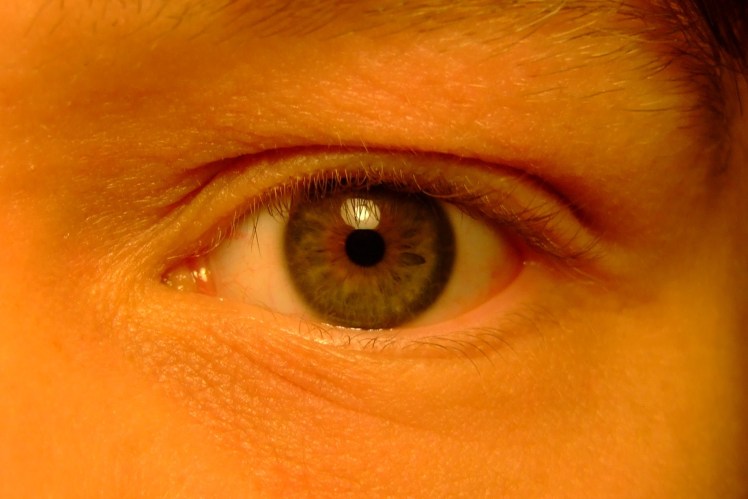
Vitamin D is back in the news today. This time, it’s for helping to prevent macular degeneration, the leading cause of vision loss in later life. These latest findings, based on research led by New York University, add to the rapidly growing body of evidence suggesting that extra amounts of this vitamin – naturally obtained principally through sun exposure – may be needed by many of us to ensure optimal health. Other studies have highlighted the importance of vitamin D in a number of critical health areas, including bone health, weight management, immune functioning, brain health, and even cancer and multiple sclerosis prevention. Learn about the new research at Vitamin D & Eye Health.
Caesar alternative

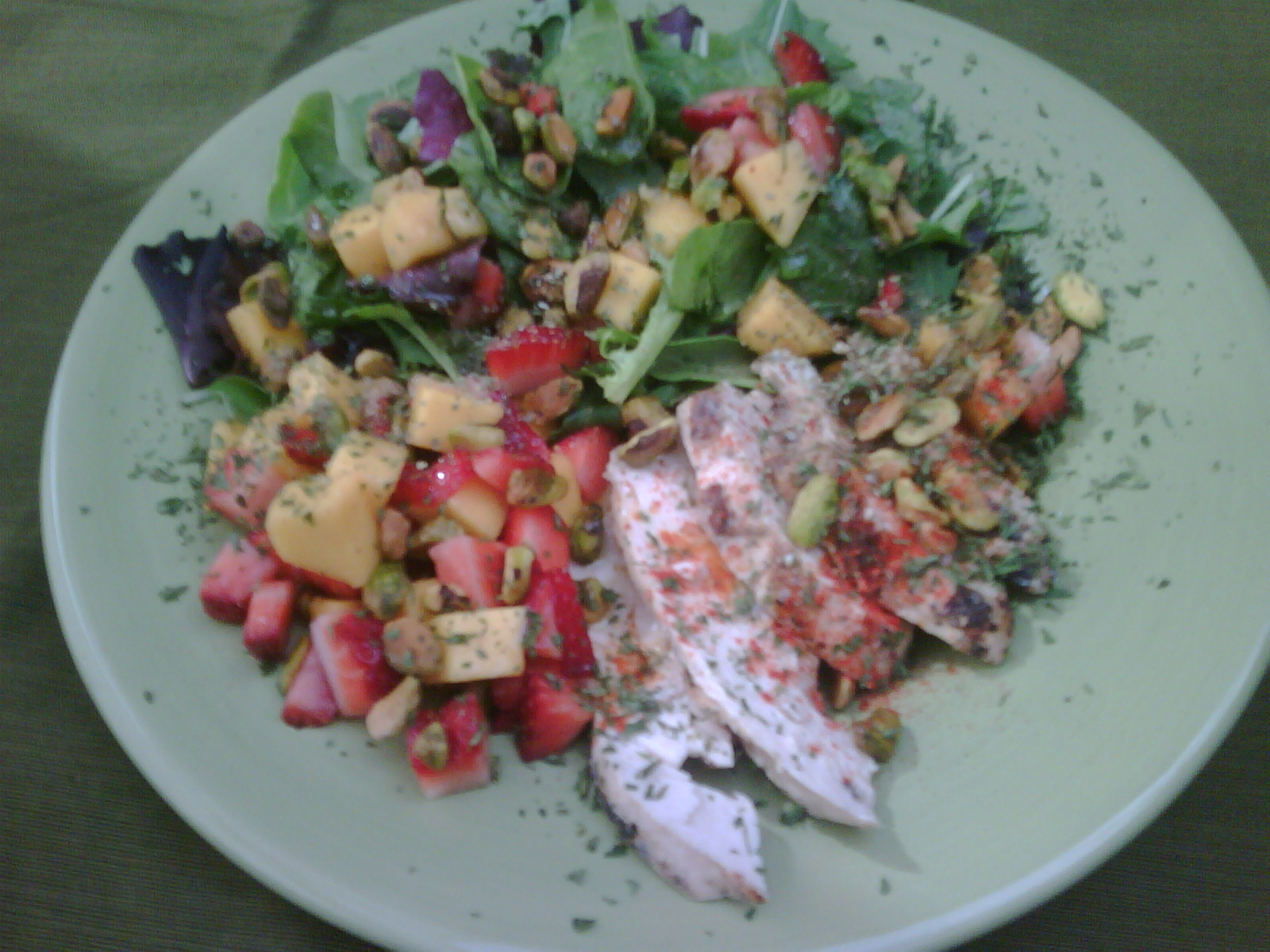
Not your typical grilled chicken salad, this one is with mixed greens and a melange of diced papaya and strawberries…garnished with pistachios, parsley, marjoram, coriander, paprika, and black pepper…

Lust is blind

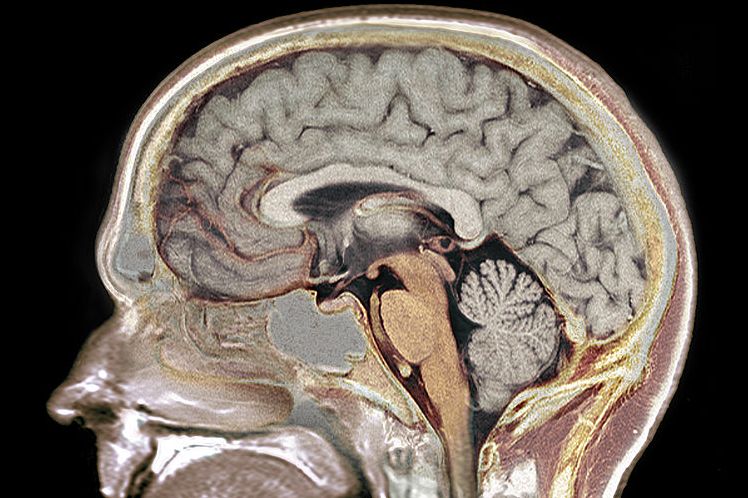
New research by Yale University scientists adds to growing evidence that addictive and other repetitive behaviors involve patterned or ingrained brain activity, suggesting that the control of these behaviors may be as much about process as content. In the new study, the research team used fMRI scans to examine the brain activity of people with either drug or food addictions, and found essentially identical brain processing in both cases. The results are consistent with important new general findings revealing the natural tendency of our brains to automatically map frequent stimuli to our brain’s pleasure centers. In natural settings, this tendency may work to optimize happiness and reproduction in varying environmental circumstances. The implications of these general findings today include: 1) the need for new care with repetitive behaviors and thinking, since they may automatically remap our brains to favor their continuation, and 2) the likelihood that lasting personal change will require neurological re-mapping to encourage desired new behaviors. Together, these ideas explain both the difficulty of many forms of behavioral change and the relative effectiveness of rapid and complete elimination of undesired behaviors (accelerating brain mapping to new life patterns). Learn more about the new research at Addiction Similarities.

Seafood salad

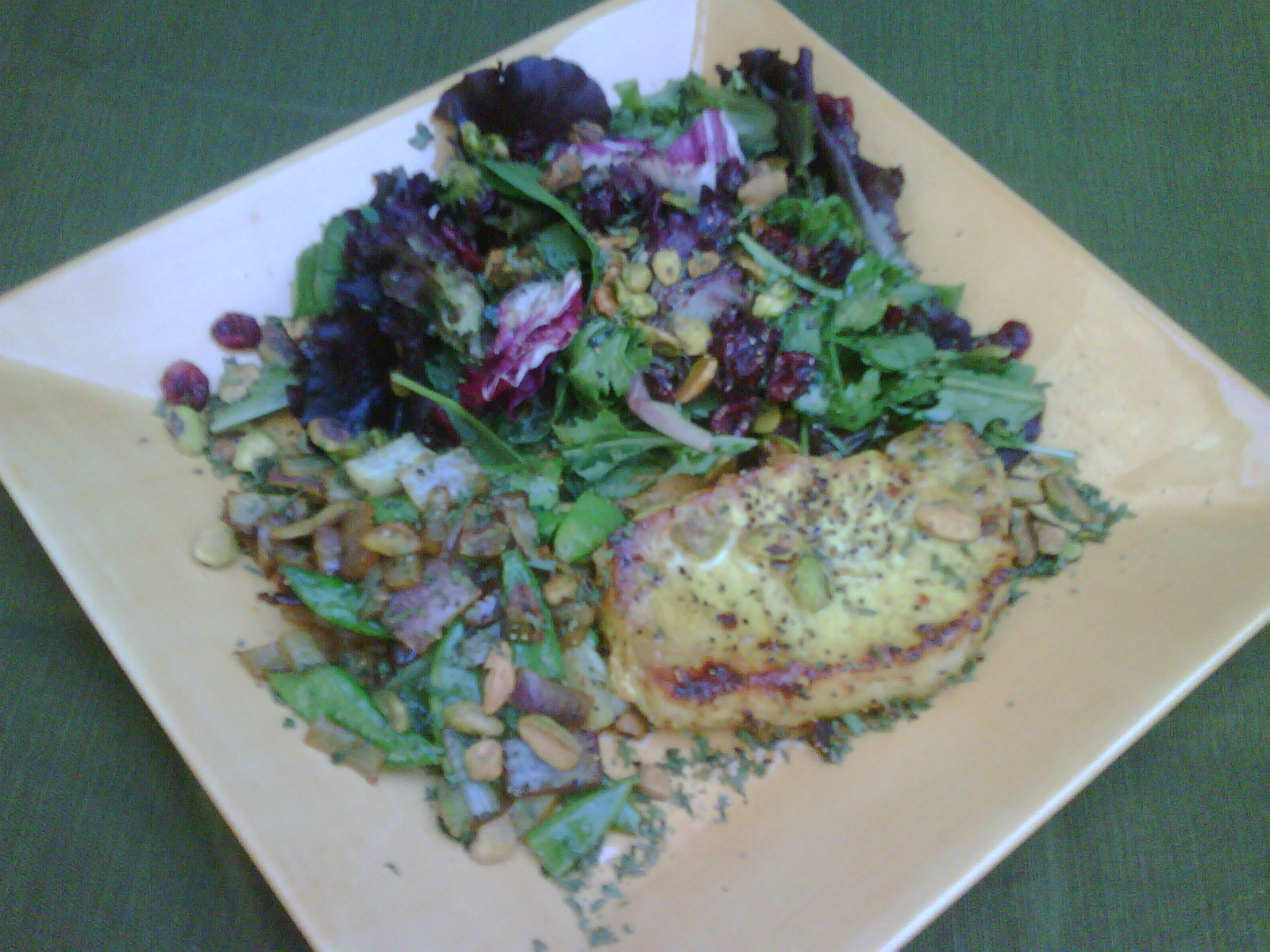
Brilliant mix of curried shellfish, red onion, broccoli, tomatoes, and slivered almonds with baby greens and dried berries…garnished with pistachios, parsley, coriander, and black pepper…

Natural Heart Health

Researchers at the University of California, Irvine have found strong evidence of atherosclerosis or heart disease in ancient Egyptian mummies. The new findings are based on CT scans of over 50 mummies and represent the oldest known evidence of human heart disease. The new findings will be surprising to some, since they involve pre-modern people, but really shouldn’t be. After all, the subjects studied lived long after the agrarian revolution and had carbohydrate and fat-rich diets much like eating patterns today. Based on their findings, the research team has hypothesized that atherosclerosis may be a natural human condition, but this idea is at odds with other research examining and finding little evidence of this and other chronic disease conditions in hunter-gatherer populations (people with a pre-agrarian lifestyle). Learn more about the new research at Mummy Heart Disease and studies of pre-agrarian people at the Cambridge Encyclopaedia of Hunters and Gatherers.