Correlation

At HumanaNatura, our goal is to both inspire and inform, so that each of us makes progressively healthier and higher quality choices over time. This strategy is in keeping with the scientific foundations of our natural health system, and with research suggesting that a mix of good facts and feelings best steers us toward improved life and health.

A new study by Harvard University affords a nice informational or teachable moment, one that can help us better understand and make use of the health research we encounter. In the new study, public health researchers found that reported soft drink consumption in teens was closely associated with reported violent behavior. For our discussion, the key words from the study are “associated” and “reported.”
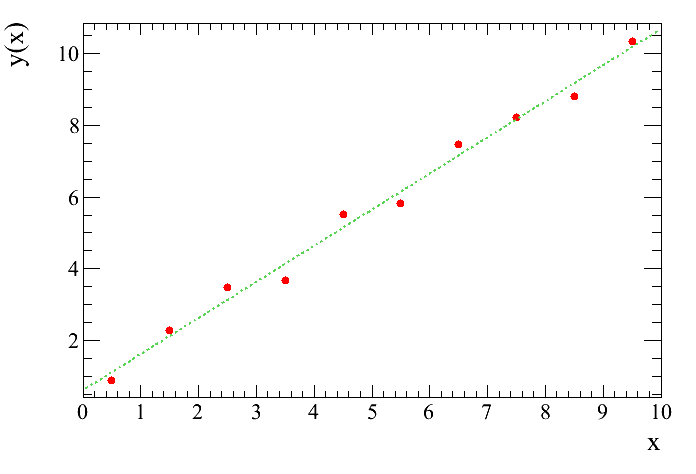
When researchers state an association or correlation like this, they are indicating that two or more things have been observed moving together in a pattern. Correlations can be positive (with things moving in the same direction) or negative (moving in opposite directions) but they cannot be neutral (since no movement means no correlated or concurrent change). Importantly, association or correlation never means that causation or cause and effect has been established (that A causes B, or the reverse). In reporting on the new study, the researchers took pains to highlight that they have not shown causation between soft drinks and teen violence, in either a forward or backward direction.

When studies like this talk about a reported behavior or condition, they mean just that. Participants were asked one or more questions and gave a reply or report. As you might suspect, what we say we do and what we actually do can be substantially at odds with one another, either because we are intentionally withholding or exaggerating information, or because we have a distorted recollection or sense of the information. A much more reliable source of information is observed or measured behavior or data, and even better than this are observations and measurements that are double-blind (where neither the observed person nor observer is privy to key details of the measurement process).

If correlational and reported behavior studies are each less valuable than available alternatives, why have them at all? First, because they are often easier and much less expensive to perform. Second, they can suggest areas for more intensive follow-up research. And in the case of correlational research in particular, while it does not provide causal information, it can lead to insights that are quite useful. In this case, researchers have discovered that quite innocuous information about soda consumption may be a signal for teenagers that are at risk of acting violently, potentially leading to better directed social service interventions.

If you would like to learn more about research techniques to investigate correlation and causation, check out Correlation Does Not Imply Causation.

Please share this post…and the science of creating healthier modern life!

Defeating Zombies

If you are a gamer or occultist looking for zombie-slaying tips, this story isn’t going to help. But if you personally would like to live longer and better in the real world, it just might prove informative and useful. New research by the Mayo Clinic has demonstrated the potential power of therapies to help us rid our bodies of older, non-reproducing “zombie” cells. These cells can build up with aging and/or reduced immune system functioning, leading to chronic tissue inflammation and a variety of resulting health impairments, from cataracts all the way up to large-organ cancers.

In the new study, researchers genetically altered mice so that zombie cells could be destroyed at will via the administration of a drug. As hypothesized, they found that enhanced cleansing of these cells increased health and reduced symptoms of aging. Beyond highlighting a potential area for new anti-aging therapies, the study is important for at least other two reasons: 1) it is a different approach from other promising longevity research involving telomere (DNA tip) health, and 2) it may help to explain why daily low-dose aspirin therapies have been shown to reduce cancers (by preventing chronic tissue inflammation from zombie cells, encouraging their removal, or both).

Learn more about the new research at Defeating Zombies and see other NaturaLife stories on longevity science via Gains In Aging Research, which discusses research showing the importance of telomere health, and Aspirin Again, which covers recent research on aspirin’s role in cancer prevention.

Photo courtesy of Zombie Walk.

Please share this post…and the science of healthier modern life!

Nutrition first

A new and nicely done article in The Independent discusses a common personal experience – finding that exercise alone will not make us naturally lean, healthy, and fit. The article includes the math and some of the science that explains why this so. The bottom line: we limit our natural fitness when we jump to exercise and do not first attend to the foundations of our natural health, especially food quality and quantity.

In practice, poor eating creates a high barrier to realizing our health and fitness potential, one that exercise usually cannot run over or around. This is in part because unnatural eating generally means excessive and unbalanced eating…often in the form of too many calorie-rich and artery-clogging fats, and too many fat-building and hunger-stoking carbohydrates.

Unnatural eating also brings foods into our diet that we are not evolved to eat, displacing natural foods required for fitness and leading to metabolic distortions that reduce our physiological health before we go out the door or to the gym. And, as the new article points out, most exercise increases rather than decreases hunger, which can ironically compound our fitness gap if our health promotion efforts did not begin by ensuring healthy natural nutrition.

Check out the new article at Does Running Make You Fat and see how HumanaNatura places natural nutrition before natural exercise in the overview to our four-part Personal Health Program.

Please share this post…and the science of healthy modern life!

Good science

Perhaps like you, HumanaNatura is an active consumer and communicator of health science. Our use of science spans the design and guidelines of our four-part Natural Health System, the health and quality of life articles of our Article Library, and the updates we provide via NaturaLife on new scientific studies and research. Today, there is of course a lot of good and even great science available, which after all is the principal hallmark and driving force of our times. But there is a lot of bad science too – experiments and studies that are poorly conceived, conducted sloppily, or used to bolster rather than validate the soundness of a hypothesis or economic endeavor. So how do we, and you, separate good science from bad pseudoscience, and navigate conflicting scientific claims when we encounter them?

Ben Goldacre’s funny and insightful new presentation at TED, Battling Bad Science, offers important guidance for ferreting out bad science from good, and we hope you will give it a view.

For HumanaNatura, our approach to the use of science is to always look for peer-reviewed, independent research by established scientific institutions. We place a premium on randomized clinical trials and double-blind studies, consider experimental design and sampling methods before we publish, and look for findings that have been validated by multiple teams over time (including meta-analyses of earlier research). We always remember and normally highlight when a study suggests causation or correlation, remain careful with researcher and press inferences from experimental findings, and know that all dominating theories and paradigms are subject to refinement and revision based on new evidence. At the same time, we also understand the power of cross-disciplinary analyses and know these can begin crudely, appreciate rough new insights into existing research and data, and recognize that some studies may be less than perfect but still promising – all cases suggesting the need for added investigation, while still offering cause for pause.

Today, becoming an informed consumer of science is critical to progressive health and quality of life for individuals, communities, and our global society. We hope these guidelines are helpful to you and that you will always feel free to ask questions on the science that HumanaNatura uses and presents.

Please share this post…communicate the science of healthy modern life!

Fight plaque!

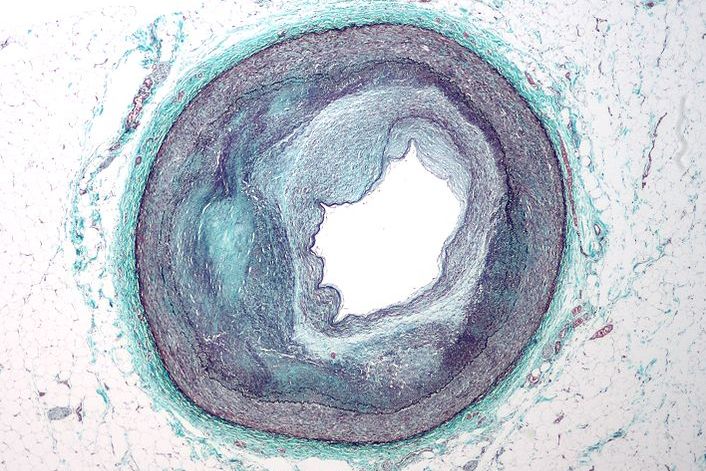
Need another reason to ensure lifelong cardiovascular health and reduced “bad” or low-density blood cholesterol levels? A new study by Kyushu University has found that high cholesterol levels at mid-life are a strong predictor of the brain plaques and reduced cognitive functioning associated with Alzheimer’s disease later in life. Although the findings are preliminary and additional data is expected over the course of this ongoing longitudinal study, they are significant already and suggest perhaps a 35 percent increase in Alzheimer’s risk via unnaturally elevated blood cholesterol levels. Read more about the new study at Cholesterol-Alzheimer’s Link and review HumanaNatura’s lifelong nutritional and exercise guidelines in the Natural Eating and Natural Exercise sections of our free Personal Health Program.

Photo courtesy of Atherosclerosis

Natural leverage

A new study published by the American Heart Association (AHA) underscores the high natural health leverage that we gain via even modest daily exercise. The new study examined total amount of daily exercise across the AHA’s large sampling base and found that even 10-15 minutes a day of light aerobic activity, an amount below AHA and HumanaNatura guidelines, has a substantial impact on cardiovascular health risks. The new research underscores the important dangers associated with unnatural sedentary living and is a good reminder of the powerful health and life impacts we gain through a commitment to daily exercise. Learn more about the new study at Small Amounts Help or view a slideshow containing HumanaNatura’s exercise guidelines at About HumanaNatura.

Healthy Planking

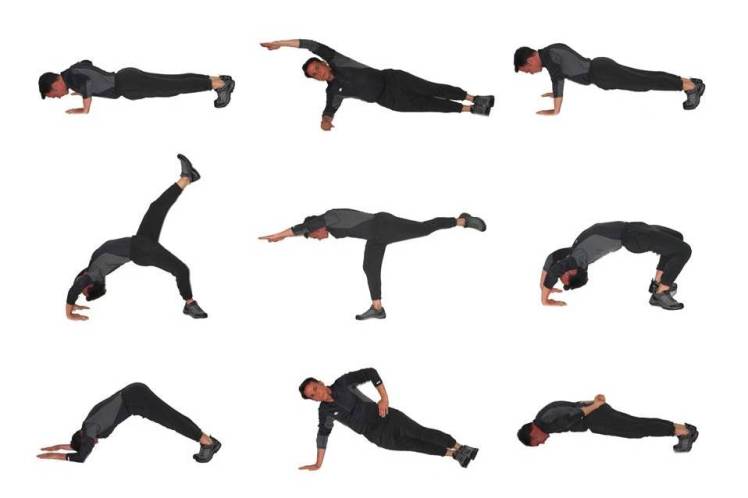
Planking is the rage these days. Sometimes, it’s done simply by lying face down in odd places, other times with our upper, mid, or lower body lifted or suspended in the air.

The more advanced form of planking is usually more interesting to watch and even provides natural isometric conditioning – if unintentionally and sometimes risking injury.

Modern plankers will no doubt refine and expand their art, and soon will discover that a precursor to planking has been around for a while.

It’s called calisthenics, a long-developed natural health practice that traces its roots back to ancient times (the name comes from the Greek words “kallos” for beauty and “thenos” for strength). Other than walking, calisthenics are the most efficient way to naturally condition the body, with a great basic calisthenics workout taking less than ten minutes.

If you would like to experiment with planking the HumanaNatura way, and become stronger and more beautiful while you do, check out our comprehensive Calisthenics Program. It’s free, so go ahead, have a healthy planking on us, and send us your best photos!

Once you have begun planking the HumanaNatura way, you can explore your many opportunities for new, more natural, and healthier life between calisthenics exercise – via HumanaNatura’s complete and naturally open-ended system for lifelong and lifewide health and fitness. Check out an overview of our health programs at The Four HumanaNatura Techniques.

Tell others about HumanaNatura…create new life and health!

Brain health

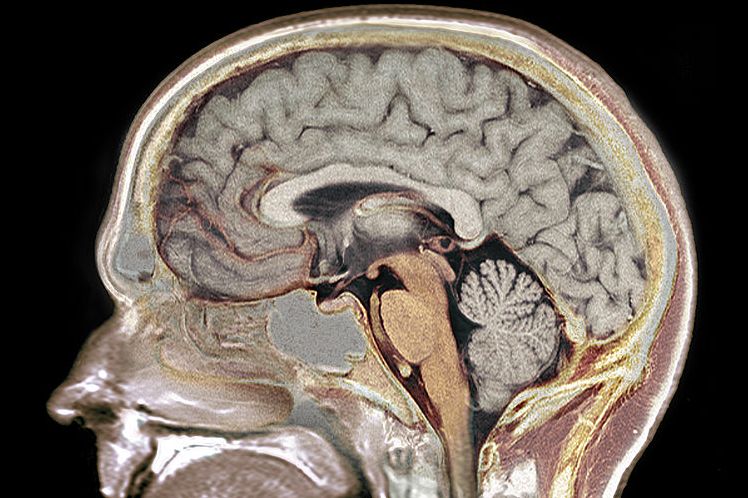
A new study of factors contributing to lifelong brain health concludes that half of Alzheimer’s cases can be prevented through healthier lifestyle choices. The new study, conducted by researchers at the University of California, counters widespread perceptions that chronic brain impairment with aging is not actionable. The new study involved a meta-analysis of lifestyle and Alzheimer’s diagnosis data covering a global sample set. It concludes that seven specific lifestyle factors combine to account for roughly 50% of the risk of this disease: low educational levels (19%), smoking (14%), physical inactivity (13%), depression (11%), midlife hypertension (5%), midlife obesity (2%), and diabetes (2%). Learn more about the new study and immediate steps you can take today to promote lifelong brain health at Alzheimer’s Study and Lifestyle Changes.

Photo courtesy of Garpen Brain

Light hike

We don’t always need a long or hard hike to improve our health…sometimes a light one is what we most need.